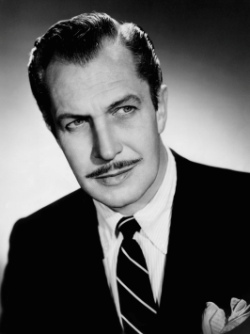
 The 4th of the Big Three horror icons (of sound films), like Karloff before him, Vincent Price had a liquid-jeweled voice and range. Price’s early work was more often in Film Noirs, comedies, and a few adventure films. Except for brief sojourns, he didn’t switch to horror until 1953’s House of Wax, but once there, he was stuck for life. The shame wasn’t that he spent decades only able to make horror pictures, but that they were never A pictures. Still, he made many enjoyable B films and seemed happy.
Before the Best list, a few more honorable mentions than normal: An Honorable Mention for Abbott and Costello Meet Frankenstein (1948)—his part is too small to consider the film for his list. Then an honorable mention to The Invisible Man Returns (1940), which lacks in story, but Price talking to the scarecrow was a fantastic moment. Also an Honorable mention goes to His Kind of Woman (1951), which overall doesn’t quite work, but Price is wonderful in it. And a shout out to Witchfinder General (1968), which would be #9 below.
Finally, a group Honorable mention to a whole line of B horror films that are a lot of fun and a touch silly, including: House of Wax (1953), The Mad Magician (1954), House on Haunted Hill (1959), The Tingler (1959), The Diary of a Madman (1963), The Haunted Palace (1963), The Raven (1963), The Oblong Box (1969), and Theater of Blood (1973)
Which brings me to his best 8 films:
8 – The Last Man on Earth (1964) – The first and most accurate version of the novel “I Am Legend,” about a lone man fighting a world filled with vampires. Price and the theme makes this a must see.
7 – Tower of London (1939) – A horror-tinged version of the story of Richard III. Price is in a supporting role as the peevish Duke of Clarence who ends up on the wrong side of Basil Rathbone’s Richard and Boris Karloff’s Mord. (My Review) [Also on the Boris Karloff List]
6 – The Fly (1958) – THE mad scientist film of the ‘50s. Unlike the remake, this isn’t a monster movie, but a tragedy. The main character isn’t the genus inventor nor his brother (Price), but the none-too-clever wife. Her emotional strain is beautifully played. (My Review)
5 – The Masque of the Red Death (1964) – I don’t normally connect Roger Corman with deep themes but then he never made another film like this. It’s surreal and epic. Price is an evil prince who thinks Satan will protect him from Death.
4 – Champagne for Caesar (1950) – The hardest to find film on this list. In this zany comedy, Ronald Colman plays a brilliant man who decides to bankrupt an arrogant businessman by winning a quiz show. Price is the businessman. [Also on the Ronald Colman list]
3 – The Abominable Dr. Phibes (1971) – There aren’t enough art-deco horror films. And there are few that are anywhere near this witty. It’s elegant and violent with Price as a deranged musician out for revenge.
2 – The Ten Commandments (1956) – There are thoughtful and spiritual religious films. This isn’t one. This is the Bible via Lord of the Rings and Mad Max. And Price is capable of bombast with the best of them. (My Review) [Also on both the Edward G. Robinson list and the Charlton Heston list]
1 – Laura (1944) – And as with Lugosi, this horror icon’s best film isn’t horror. It is one of the great Film Noirs, with Price as a playboy gigolo. (My Critique)
 The second of the Big Three horror icons (
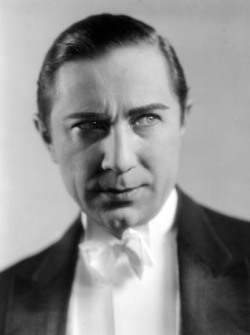 Lugosi had a presence, a charisma, that shaped scenes and entire films. Was he a good actor? It’s hard to say. He wasn’t really given a chance. With his thick accent and less-than-perfect English, his roles were going to be limited. Add in the tendency to pigeonhole horror actors and his own poor choices, and he ended up with a troubled career. But he had a few moments, and those have made him an icon.
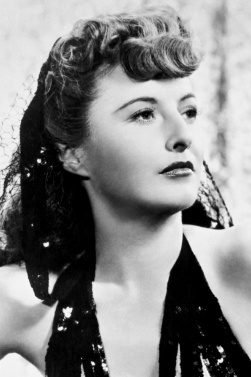 When I was a child in the ‘60s, Stanwyck was known primarily as a television Western star. But time is not kind to TV shows in general and particularly not to Westerns, so that work is fading from cultural memory, which is for the best in this case as she should be remembered first as a film actress.
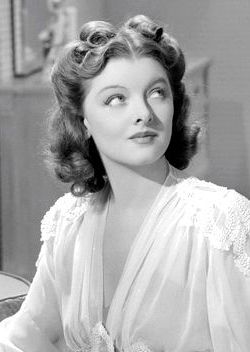 If I’m doing a list for William Powell, then I should do one for Loy, and even more so as this is an easy list to make—it has a great deal of overlap with my
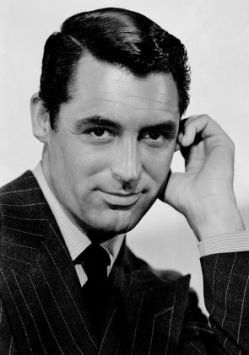 I’ve written before that
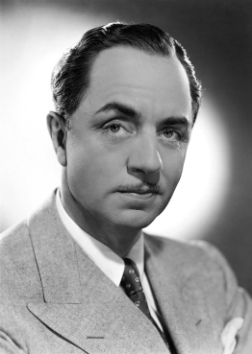 In old Hollywood, that sold the appearance of sophistication, Powell was the sophisticate’s sophisticate. No one was smoother. He was class personified. I like him in any movie, even when the movie is not so good. No matter the part, Powell made it better.
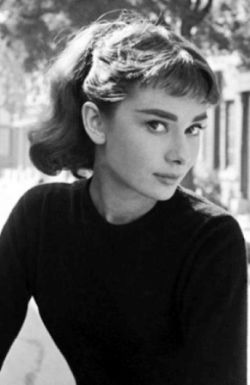 An elfin beauty that arose at the close of the golden age of Hollywood, Hepburn had aspects of both royalty and innocence. Her fame came from romantic comedies, where those qualities, and her nearly supernatural charisma could shine. Those attributes were muted in dramas, which made it harder for her to rise over the material, and much of her dramatic material left much to be desired: A Nun’s Story is poorly written and A Children’s Hour misses the point of the play. Then there is the romantic drama Green Mansions, which I do recommend as a film to watch while muttering “What the Hell.” (Really, it’s nuts.)
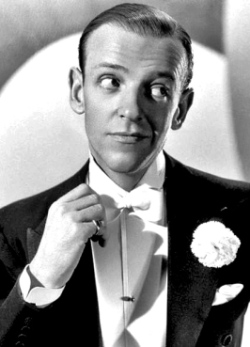 Fred Astaire is the king of cinematic dance. No one is even close. I’ve loved watching him dance all my life, though the movies he danced in didn’t always live up to his talents. But his finest are the cream of film musicals. Astaire is best known for his paring with Ginger Rogers. They made ten films together and changed the nature of dance on film. The top Astaire/Rogers films sparkled on three fronts: musical numbers, comedy, and a fantastical world. All three were very important to depression era audiences. Great dancing was always present in any Astaire film, but the comedy could be uneven. Strangely, it was neither of those, but the world building that split off the early films. In those, the two danced not in our world, but in an art deco paradise, beautiful and immaculate far beyond the dreams of reality. The lesser of the ten, such as The Story of Vernon and Irene Castle (1939) and The Barkleys of Broadway (1949) still had a Hollywood version of reality, but it wasn’t the marble dream of Top Hat and Shall We Dance.



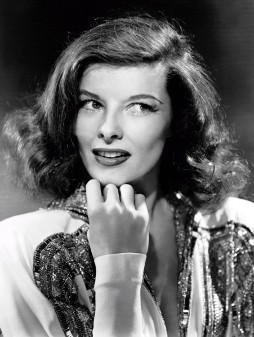 Katharine Hepburn is known as one of the great actress of the golden age as well as a feminist icon. And she earned those reputations by many fantastic, meaningful, and politically relevant films. Unfortunately she made as many horrible and backward ones. Well, that happens, but for this list of her best, I’ll be avoiding the many dripping melodramas, sexist films, and her portrayal of a brave Chinese woman.
 I made a list for